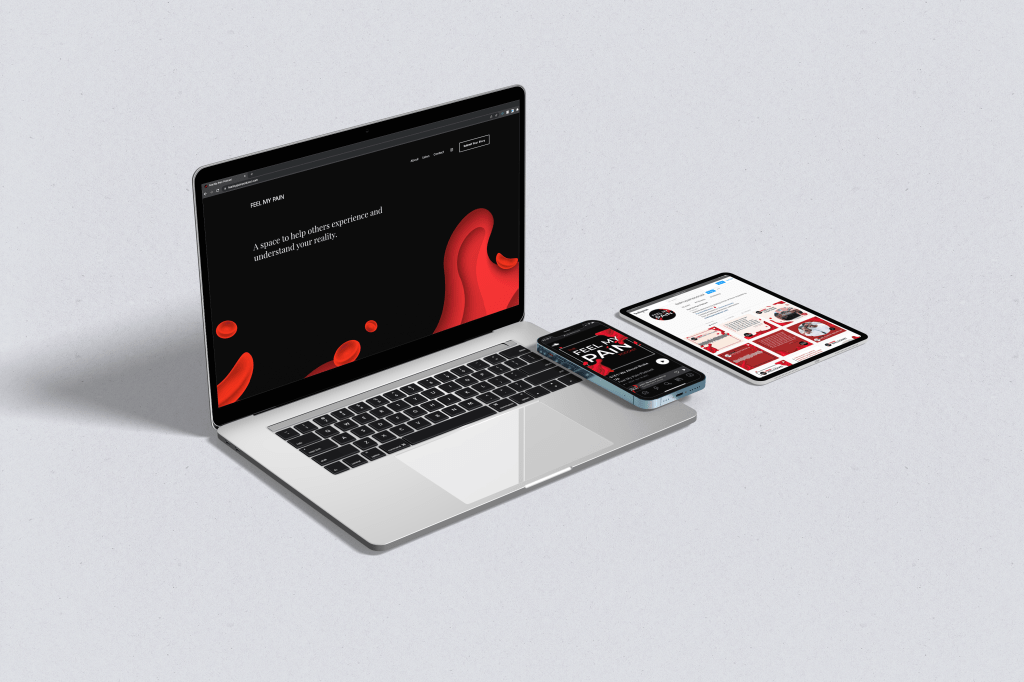
Feel My Pain Podcast
Feel My Pain is a podcast dedicated to providing an inside look into the daily experiences of individuals diagnosed with a rare blood disorder called Sickle Cell Disease.
Sickle Cell Disease is an inherited rare blood disorder, causing red blood cells to change shape and break down. Sickled cells block blood flow, which causes infections and chronic pain, also known as Sickle Cell crises.
According to the American Society of Hematology, “approximately 70,000 to 100,000 Americans have sickle cell disease” (“Sickle Cell Disease”). Medline Plus (2018) states that Sickle Cell Disease “is most common among people whose ancestors come from Africa; Mediterranean countries such as Greece, Turkey, and Italy; the Arabian Peninsula; India; and Spanish-speaking regions in South America, Central America, and parts of the Caribbean” (p. 1). Although this disease affects a wide range of ethnic groups, the most common groups of people affected are in Africa as well as individuals of Afro-Caribbean and Afro-American descent (“Bola’s Story, Managing Sickle Cell Disease,” 2021, 0:46).
As a person with Sickle Cell Disease, this podcast seeks to provide insight, increase understanding, and raise awareness for a medical condition affecting millions of people worldwide.
About my Process
Within a matter of weeks, I have researched, scripted, and recorded three episodes of the first season of Feel My Pain. Although I developed a detailed schedule and plan for the various artifacts and deliverables I would be working on over my seven-week timeframe, my schedule was ever-changing, as I struggled to balance the topic of Sickle Cell in my content creation with the reality and challenges of Sickle Cell in my personal life.
Come what may, I have been able to produce all of the artifacts I initially planned for. You can review each of these items below.
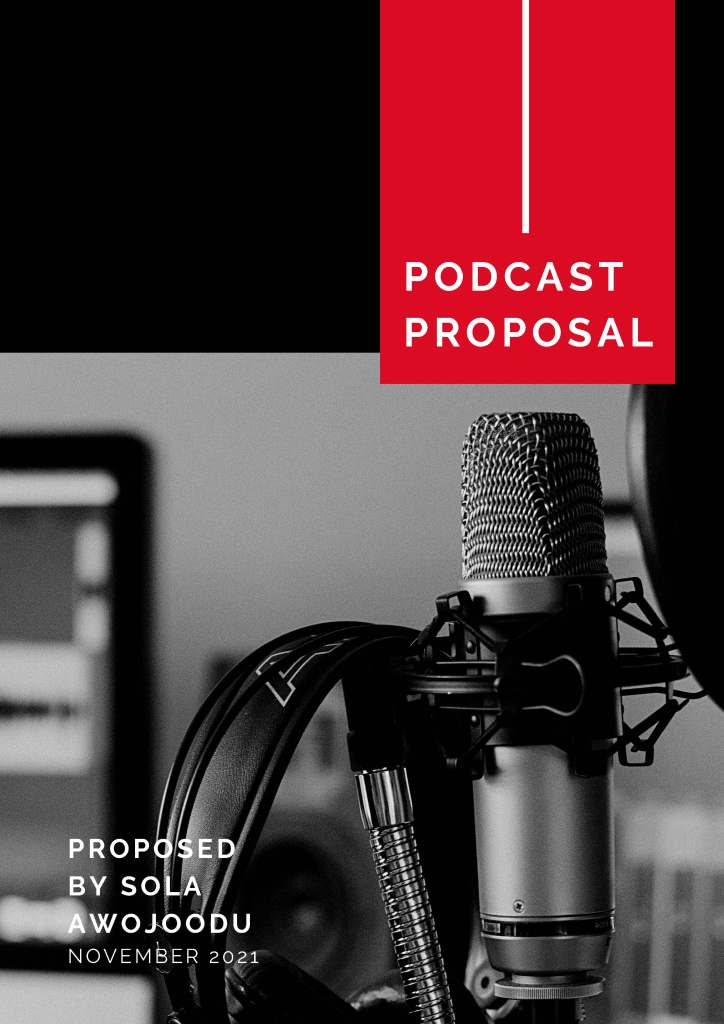
Podcast Proposal
To begin my project, I created a project proposal, detailing the objective, audience, outline, and format of the podcast. This stage of the project helped me solidify the foundation of the podcast and provided guidance for the rest of my work. Throughout the course of developing the podcast, I referenced this proposal to ensure that I stayed on track.
Project Plan
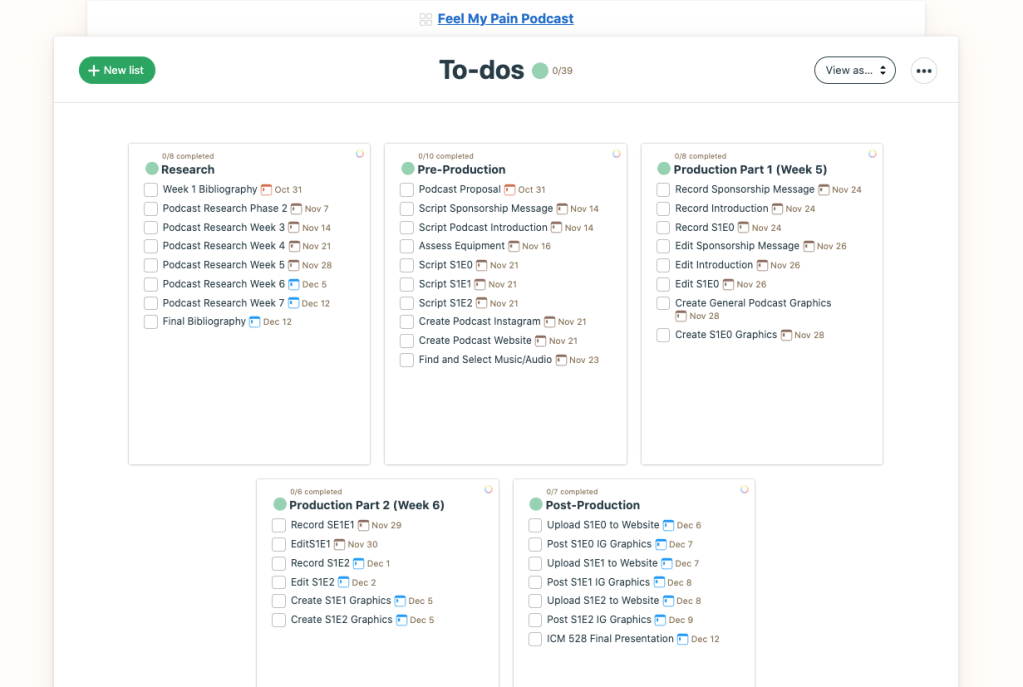
Following the proposal, I developed a project plan using Basecamp to help structure all of my tasks. Working on a large-scale project like a podcast often means that there will be tons of smaller tasks to tackle in order to accomplish the greater work. Like any other long-term project, my deadlines shifted. Some tasks were accomplished sooner than expected, while others were delayed. Nevertheless, Basecamp was a great platform to help organize all of my duties, minor and major.
Episode Scripts
Publishing three podcast episodes means writing three scripts. Although all episodes included a sponsor message, intro, and vocabulary words related to Sickle Cell, and an outro, each of the episodes were unique, requiring topic-specific research, scripting research, observation of other inspiring podcasts, writing, reviewing, editing, and finalizing. Some scripts were heavily structured, while others were flexible, allowing room for open discussion. Altogether, scripting helped me select a topic and determine which subtopics and messages were of significance to share with my listeners.
Podcast Website
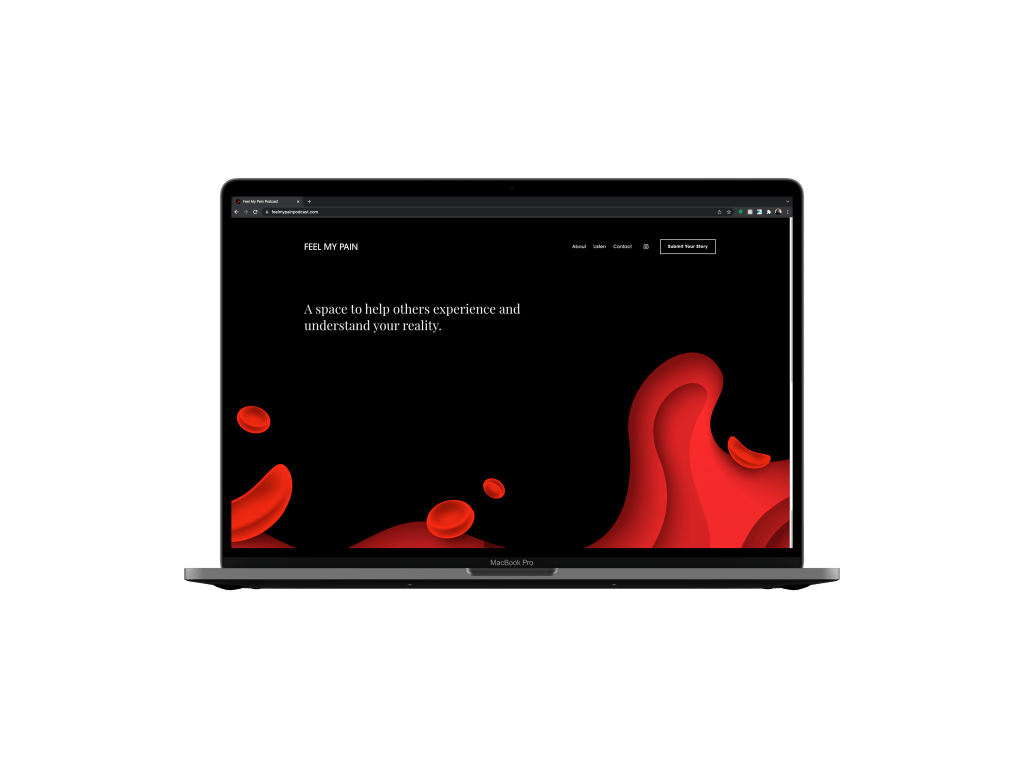
Created using Squarespace, the Feel My Pain website features a home page, about page, contact page including a contact form, a page to access available episodes, and a page for anonymous story submissions. This website is the hub for the podcast and I look forward to utilizing it more as I start to receive submissions and prepare to launch the complete first season in January.
Episode-Specific Social Graphics and Audiograms
Creating social media graphics and audiograms are great ways to keep listeners engaged in a podcast. I chose to create episode-specific content, pulling direct quotes from each episode and incorporating imagery related to each topic discussed. Being a designer for my own podcast gave me an inside look into the work and deliverables that creating a podcast requires beyond recording and editing audio.
Final Podcast Episodes
Speaking of recording and editing audio, podcasting requires a lot of time and effort. There is so much to learn, from finding the right equipment, choosing the best environment, learning how to use editing software, finding best practices, prioritizing the audio quality, incorporating additional sound elements, choosing a publishing platform, the list goes on. This project was a great way to kickstart my deep dive into the world of podcasting. I anticipate revisiting my episodes to find ways to improve and build upon what I have learned thus far.
Conclusion
Although I did not anticipate managing my own Sickle Cell crisis while producing a Sickle Cell podcast, this project helped me immensely. I experienced many bumps in the road, but, altogether, this experience helped me challenge myself and persevere despite my setbacks. I have been talking about this podcast for a year now, and I truly struggled mentally, emotionally, and physically while preparing myself to become a public advocate for a disease I have kept under wraps for so long. The structure and flexibility that I discovered during the course of this project helped me pace myself and get back on track, even when things were falling apart. Moving forward, I am off to a great start with my goal of publishing the first season of Feel My Pain. All of my progress thus far is attributed to all the tools I received while working on this project.
 Sola's Thoughts